December 30, 2024| Posted in
Food and Beverage,
Environment|
4339
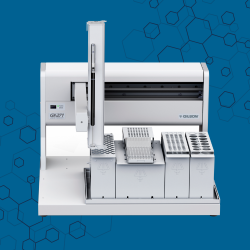
Many sample types, such as those from the environment or food, undergo testing to detect contaminating residues such as pesticides, antibiotics, chlorinated hydrocarbons, and compounds of health concern. While the exact governmental regulations surrounding testing methods differ by country, gel permeation chromatography (GPC) is one of the routine methods used to clean up samples before analysis. As a routine step in residue testing, is often a part of the workflow to prepare samples before analysis by a variety of chromatography methods such as GC, HPLC, or LC/MS. GPC removes unwanted substances such as lipids, proteins, cell debris, pigments, humic acid, and sulfur, that can interfere with downstream chromatography steps used to detect the residues. Including GPC cleanup in residue testing can help make chromatography columns last longer, protect instrumentation, and improve residue detection accuracy.